


Renovating a new place is exciting. But resale HDB renovation mistakes can turn that excitement into stress fast.
Older flats often hide issues that only show up once work begins. The good news is these problems are easy to avoid when you know what to look for.
Let’s walk through the most common ones so your renovation stays smooth and worry-free.
Quick Takeaway
Unforeseen hacking expenses, outdated plumbing leaks, and regulatory fines often drain a homeowner’s contingency budget during a resale overhaul.
Partnering with CaseTrust-accredited specialists eliminates surprise variation orders through clear scopes and fixed pricing. Secure transparent, itemized quotes for your unit using a dedicated resale renovation package that guarantees structural safety and HDB permit compliance.
Skipping a Proper Check of the Flat’s Condition
It’s easy to get excited about a resale unit and overlook hidden issues. Older flats can have early seepage marks, uneven floors from past patchwork, or ceilings with bloated paint or mould. A quick viewing won’t reveal much.
Check behind built-ins, look closely at corners, and bring someone experienced. Catching these early saves you from costly fixes later.
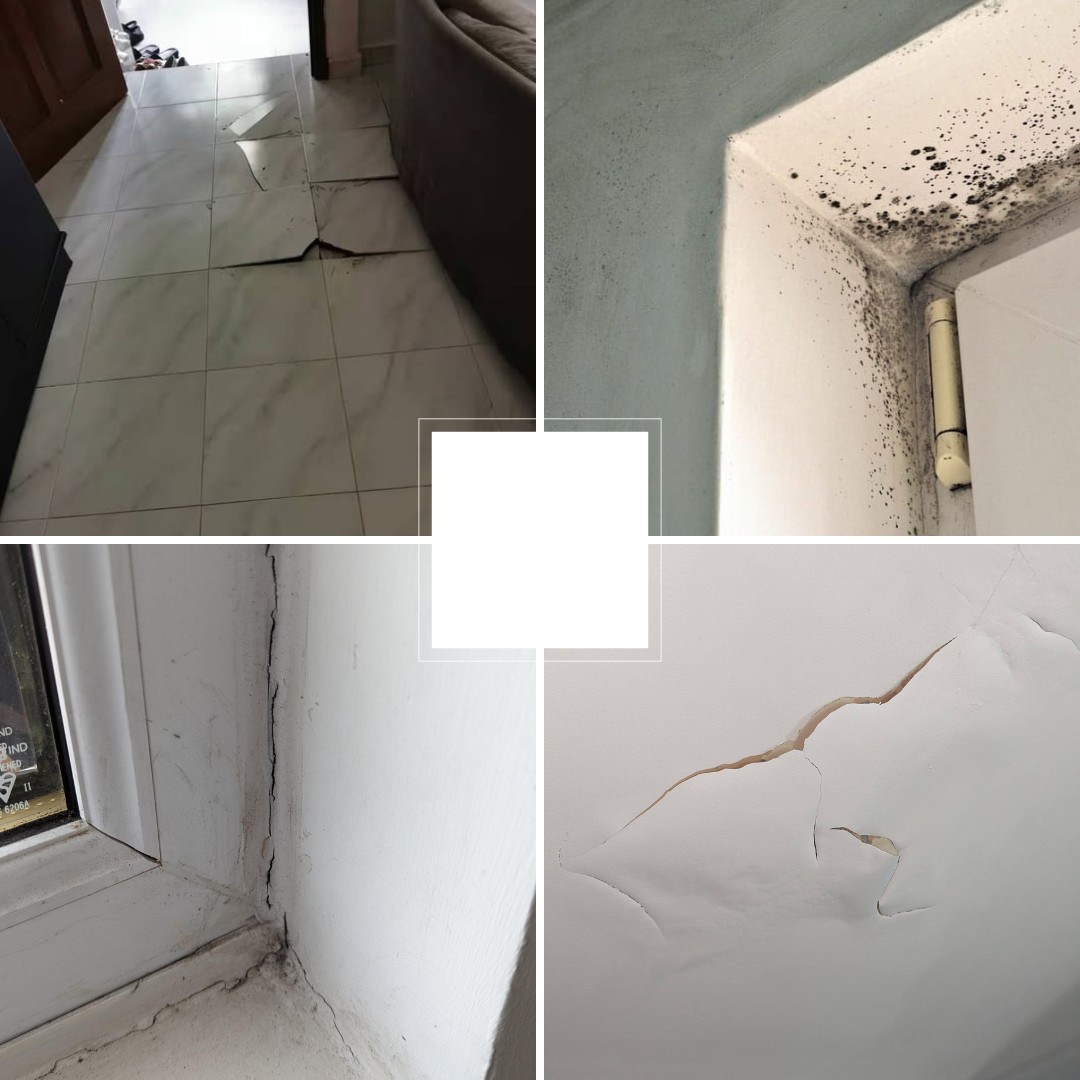
Signs of hidden issues in resale flats: bloated ceiling, cracks, uneven floors and mould.
Underestimating Hacking and Removal Costs
Hacking in a resale flat can take more work than people expect. Older units sometimes have thicker cement layers or newer tiles laid over old ones, which adds time and labour.
Built-ins may also hide extra materials behind them. Get your contractor to inspect the space properly and give you a clear estimate. It helps you plan your budget without sudden add-ons later.
Overlooking HDB Renovation Rules
Resale flats often have past changes you won’t notice until work begins. Some areas also come with stricter guidelines.
For example, gas pipes cannot be rerouted freely and any adjustments must be done by a licensed gas worker for safety. [1] Windows and grilles also need to follow HDB approved designs to maintain the original façade. [2]
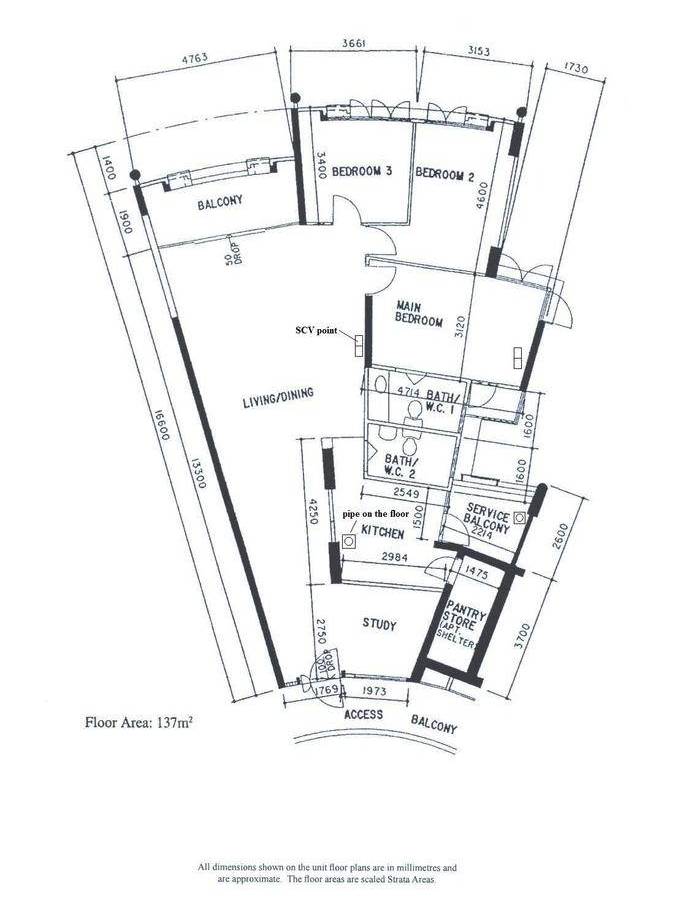
Always review the official floor plan and let your contractor check what’s allowed to avoid reinstatement or delays later.
Overlooking Electrical and Plumbing Upgrades
Many resale flats still run on older wiring and pipes that have never been updated. You won’t see the wear because everything is concealed in the walls or ceiling.
Signs like flickering lights or low water pressure often show up only after renovation starts.
It’s safer to plan for basic rewiring and fresh piping early, especially in flats older than 20 to 30 years. It prevents future breakdowns and repeated repair visits.
Not Accounting for Hidden or Surprise Costs
Resale flats almost always have a few surprises. Some only show up after demolition begins, like melted insulation around old wires or tiny pest nests hiding behind kitchen cabinets. You may also find hollow tiles or old pipes that need replacing.
These add to the bill quickly. Keeping a 10 to 15 percent buffer gives you space to handle issues without stressing over every new discovery.
Keeping Too Much of the Old Built-Ins
Old carpentry in resale flats often looks usable at first, but many pieces hide wear you can’t see.
Swollen boards, loose hinges, or tiny pest trails usually appear only after you remove the shelves. Some older cabinets were also built directly onto uneven floors, which makes new fittings harder to install.
Rebuilding key areas now often costs less than repairing or replacing them again after you move in.
Poor Space Planning for Older Layouts
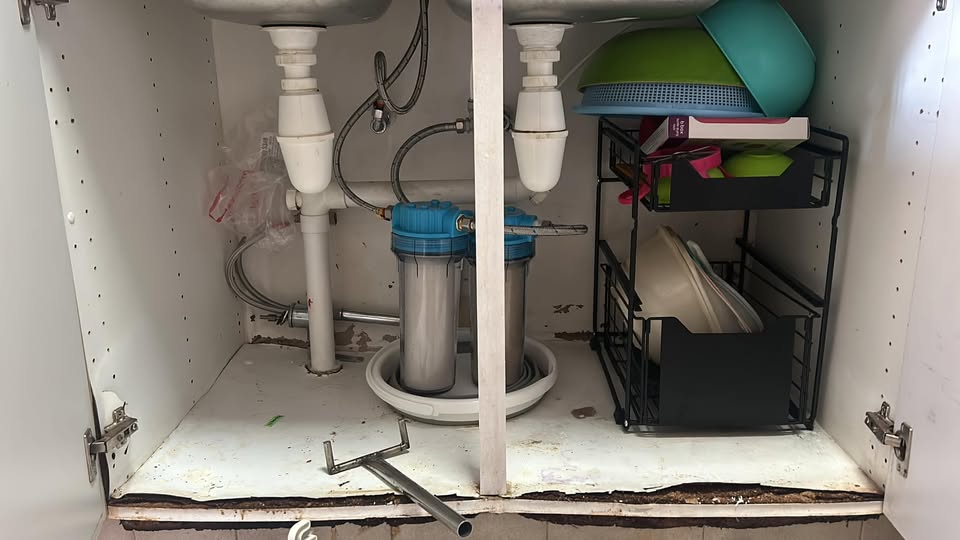
Older HDB flats often have layouts that don’t match modern furniture or appliances. Some bedrooms have low beams, and certain kitchens have narrow entrances that limit fridge or oven sizes.
Without planning, you may end up with carpentry that blocks movement or doors that can’t open fully. Measure carefully and think about daily use. It makes the space far more comfortable in the long run.
Choosing the Wrong Contractor
Resale renovations often involve more repair work than new flats, so not every contractor handles them well. Some overlook hidden issues or underestimate the time needed for older materials.
A quick way to gauge experience is to ask about their recent resale projects and what problems they ran into. Contractors who can explain past challenges usually manage expectations better and handle surprises more smoothly.
Rushing the Renovation Timeline
Resale renovations usually take longer because there’s more repair work behind the walls and floors. Even simple tasks like levelling old surfaces or testing wiring add extra days.
If you push for a rushed timeline, mistakes tend to slip through. Plan for some buffer time, especially during rainy months when plaster and paint dry slower. A realistic schedule gives you a cleaner, safer finish.
Not Checking Past Renovations by Previous Owners
It helps to know exactly what the previous owner renovated. Some items have a limited lifespan, like storage water heaters that often need replacing after about seven years. The same goes for older bathroom fittings, pipes or built-ins.
Find out what was upgraded, then have your contractor assess the condition. It gives you a clearer picture of what’s worth keeping and what’s better to update.
Wrap Up
Addressing structural risks, piping age, and hacking limits early keeps your project on budget and compliant with HDB regulations.
Taking a structured approach prevents costly mid-project changes and protects your long-term investment. LE Interi Design brings licensed, CaseTrust-accredited project management to every site assessment and layout plan.
Speak with our team to review your floor plan and secure a fixed-scope proposal before starting work.


0 Comments